



Specialist in gynaecology and obstetrics
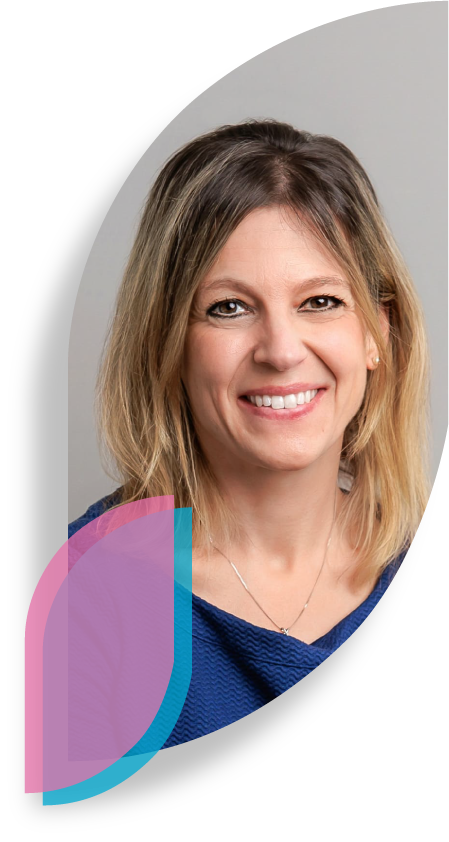
I was born in Innsbruck and completed my medical studies at the Medical University of Innsbruck. I completed both my basic training and my specialist training in gynaecology and obstetrics in London, United Kingdom. I further expanded my specialist training with additional advanced training in high-risk pregnancies and pregnancies in patients with pre-existing medical conditions (maternal medicine), which I completed in 2018. After that, I worked as a Consultant Obstetrician with a focus on high-risk obstetrics in London. In December 2021, I returned to Tyrol with my husband and our four children. I currently work at Hall Districtl Hospital as a senior consultant in gynaecology and obstetrics, with my main area of interest continuing to be obstetrics, particularly pregnancies with pre-existing medical conditions.
What is a Specialist in Maternal Medicine?
A specialist in maternal medicine is a fully qualified consultant in gynaecology and obstetrics. In addition to caring for normal and uncomplicated pregnancies, they have undertaken further subspecialty training in the management of high-risk pregnancies.
They particularly care for women who had health problems prior to pregnancy or who experienced complications during a current or previous pregnancy. These include pregnancy-related conditions, pre-existing medical conditions such as high blood pressure or pre-eclampsia, and internal medical conditions such as heart, kidney or metabolic disorders.
Pre-existing conditions continue to be managed by a physician alongside pregnancy care. As certain medical conditions can affect pregnancy – and, conversely, pregnancy can influence the course of an underlying condition – close collaboration between the maternal medicine specialist and the physician is especially important. This ensures the safest and most appropriate care for both mother and baby.
Curriculum vitae / Education and Training
Summary of the meaning of my titles:
The title FRCOG (Fellow) reflects a high level of clinical experience and professional expertise, whereas “Dr.” is an academic title. In theory, someone can obtain a “Dr.” title at the age of 25 or 26, directly after completing university. By contrast, becoming a Fellow (FRCOG) generally requires at least 10–12 years of intensive specialist training and clinical practice, successfully passing highly demanding professional examinations, and receiving formal fellowship from the relevant Royal College.
