



Specialist in gynaecology and obstetrics, specialist in urogynaecology
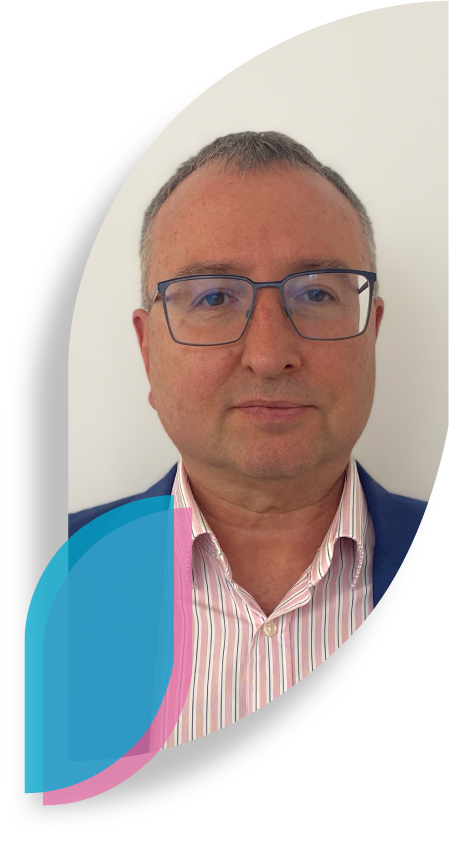
I was born in Barcelona, Spain, and completed my medical studies at the University of Barcelona (Universitat Autònoma de Barcelona). After completing my specialist training in General Medicine in Barcelona, I moved to London, United Kingdom, in 1998, where I completed my full specialist training in Gynecology and Obstetrics.
In addition to my General training, I undertook a subspecialty training in Urogynecology at King’s College Hospital, London, which I successfully completed in 2013. In the same year, I also completed my PhD on pelvic floor injuries after childbirth at University College London. I worked until 2021 as Lead Consultant/Head of Department in Gynecology and Urogynecology at Kingston Hospital, London, until the mountains of Tirol called my wife back home.
Currently, I am engaged in scientific research in the field of pelvic floor disorders and incontinence, as well as in postdoctoral training of gynaecology residents.
What is a Urogynaecologist?
A urogynaecologist is a consultant in gynaecology and obstetrics who has undertaken additional subspecialist training. Following the standard specialist training, there is a further period of additional training lasting several years in the field of urogynaecology.
This subspecialty focuses on the diagnosis and treatment of women with pelvic floor and bladder problems. These include conditions such as stress urinary incontinence, urge incontinence, recurrent urinary tract infections, bowel symptoms and pelvic organ prolapse. Diagnostic procedures may include specialised investigations such as urodynamic testing or cystoscopy (a bladder examination). Treatment may be conservative (for example, pelvic floor physiotherapy or medication) or surgical.
Qualified urogynaecologists also possess academic credentials such as publications and/or a higher academic qualification in the field of urogynaecology.
This subspecialty requires a rigorous selection process, as only a limited number of centres in the United Kingdom are accredited to provide such comprehensive and highly specialised training.
Curriculum Vitae / Training / Publications
Summary of the meaning of my titles:
The difference between “MD (Res)” and a conventional “Dr.”:
The British MD (Res) is a substantially higher-level research degree than the traditional German “Dr. med.”
If you are treated in Austria by a doctor with the designation Mr X, MD (Res), FRCOG, this means that he is not simply a “doctor” who has recently graduated from university, but a highly senior and distinguished consultant who is recognised at the highest level both for his surgical expertise (Mr / FRCOG) and for having undertaken many years of in-depth academic research (MD (Res)).
The title FRCOG (Fellow) reflects a high level of clinical experience and professional expertise, whereas “Dr.” is an academic title. In theory, someone can obtain a “Dr.” title at the age of 25 or 26, directly after completing university. By contrast, becoming a Fellow (FRCOG) generally requires at least 10–12 years of intensive specialist training and clinical practice, successfully passing highly demanding professional examinations, and receiving formal fellowship from the relevant Royal College.
